
The Yankee Sphinx, Mark Frost (Review by Lara Ferguson)

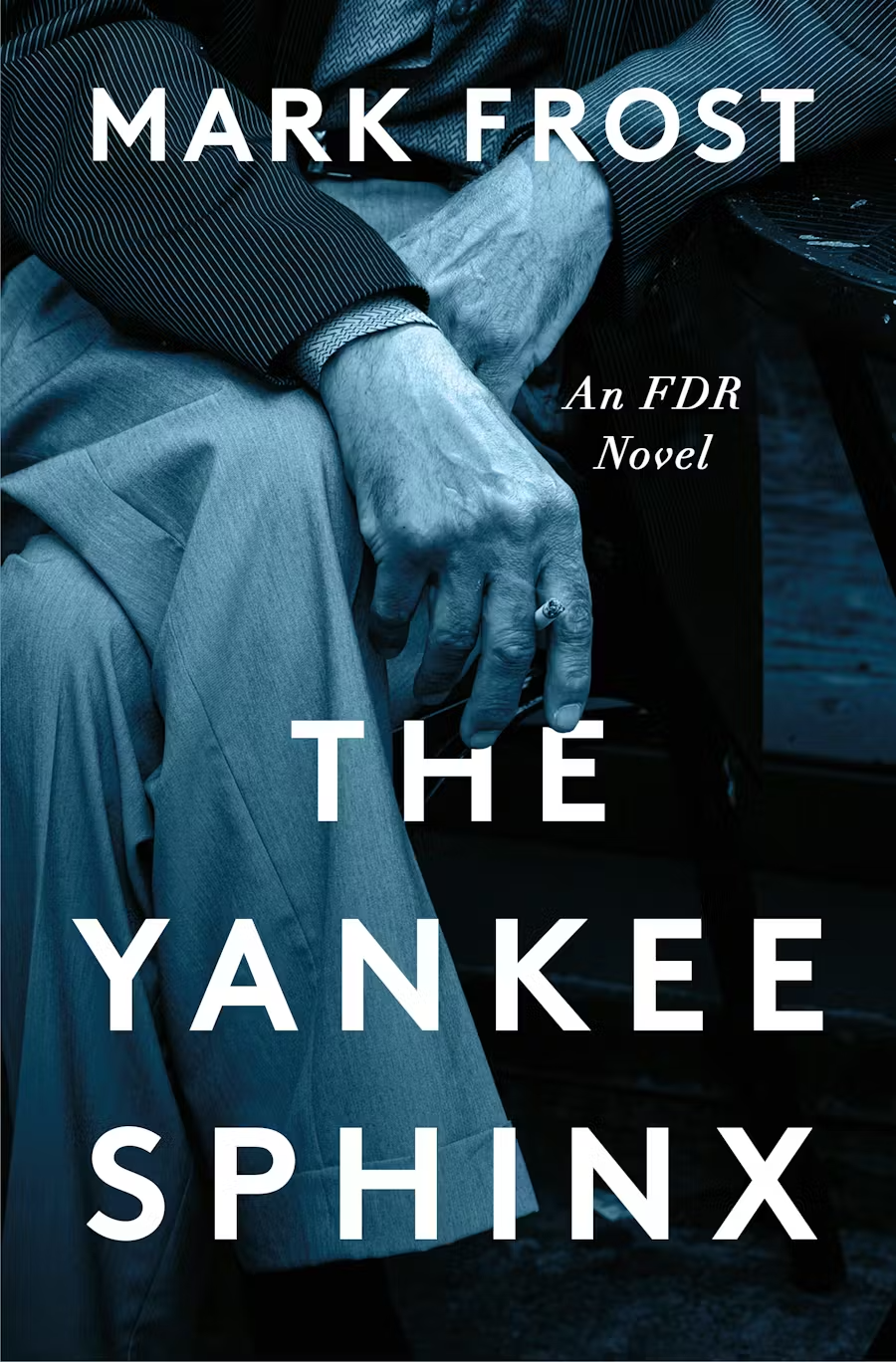
Rating: 3.0/5 Stars
Mark Frost’s The Yankee Sphinx offers a refreshingly intimate look at Franklin D. Roosevelt during the tense years leading up to America’s entry into World War II. Instead of retelling familiar events from a distance, Frost pulls the reader into the rooms where history was being shaped, making the era feel immediate, personal, and surprisingly relatable.
What stands out most is how human this portrayal of Roosevelt feels. The novel focuses less on sweeping military movements and more on the uncertainty and pressure surrounding the decision to enter the war. Readers don’t just learn what happened—they feel the weight of each choice as Roosevelt balances political realities at home with the growing crisis abroad. It’s a perspective on World War II that feels fresh precisely because it stays so close to the people making the decisions.
The relationship between Franklin and Eleanor Roosevelt is another highlight. Frost presents their marriage as complicated and often strained, yet deeply important to the president’s leadership. Eleanor emerges as a steady, trusted presence, someone Roosevelt relies on even when emotional distance and tension exist between them. This portrayal adds emotional depth and helps explain how private relationships can shape public action in subtle but powerful ways.
Frost also does an excellent job exploring Roosevelt’s relationships with his closest advisers. The novel reveals a president who is guarded and enigmatic—living up to his “Sphinx” nickname—but also dependent on a small circle of trusted voices. These interactions show how much collaboration, debate, and quiet maneuvering went into decisions that would ultimately affect the entire world.
Overall, The Yankee Sphinx offers a compelling and deeply personal take on World War II. By focusing on conversations, relationships, and moments of doubt behind closed doors, Mark Frost gives readers a new way to understand a familiar chapter of history—one that feels less like a textbook and more like a lived experience.