
The Librarians of Lisbon, Suzanne Nelson (Review by Caitlin Winkler)
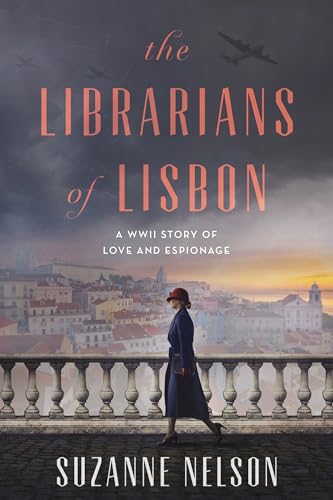
What a fantastic novel! When I saw the brief blurb of “the romance of Casablanca meets the spy world of Ian Flemming”-I knew I had to read this book! I am happy to say, I was not disappointed! The Librarians of Lisbon by Suzanne Nelson was so intriguing and the detail in her writing really brought the story to life. Historical fiction is a genre that, while I love it, I sometimes feel that I am reading a very similar story-but that was not the case here and I think that had a lot to do with the unique setting and perspective!
Two American librarians and best friends, Sabine and Bea, volunteer for the WWII efforts abroad outwardly, being librarians to help safeguard priceless works of literature, but secretly by engaging in undercover operations. Sabine, seeking to escape her family life and Bea eager to find the man she loves both find themselves stationed in Portugal to aid the Allied forces. When their covert missions lead them to a world of secrets and spies, they each find themselves involved in love affairs that will certainly only complicate their mission. Because of their separate missions, Sabine and Bea find themselves with a growing distance in their friendship. What happens when it all comes to a head and the secrets catch up to you?
One of my favorite parts about this book was that, while it focused on WWII-probably the most common historical fiction error to write about-it took place in Portugal, which was a country I did not know much about during wartime. The setting of Portugal really added to this story in my opinion in that it really set it apart from other similar books. Another aspect of this story that I loved was the focus on female spies. While we know a lot about male spies in history, thank you Mr. Flemming (who gets a cool shoutout here), and often see male spies in literature and movies, we don’t know as much about the female spies of WWII; this book changed that. I highly recommend this novel and most importantly, I highly recommend reading the authors note on the basis of these characters from real historical figures at the end as it was highly informative to me.