
Hello Wife, Lisa K Friedman (Review by Abigail Blake)

Rating: 3.25/5 Stars
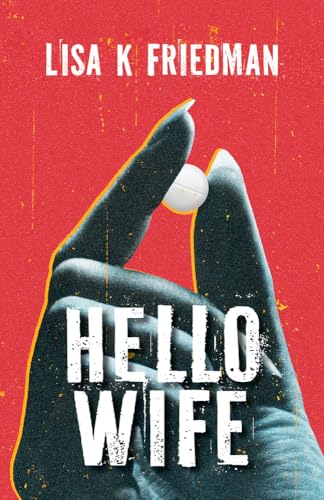
Filled with conflicting notions of love and hopelessness, compassion and stubbornness, Hello Wife takes us into the struggles of passive, lonely Charlotte, and the lengths her family will go to save her from herself. Charlotte, nearing 50, succumbs to marriage with a prescription drug addict, Jimbo. While toxic, and quite literally poisoned by drug abuse, their relationship is one of genuine connection—both begging to be taken care of and caring for each other in the limited ways they know how. They truly enjoy each other’s company as outsiders to the way “normal” people live, and forge a version of life that’s equally bleak and filled with joy in their own little world.
Charlotte’s sweet, imperfect family (aging parents, grandmother, and a little sister with the idealized husband, child, and career) fights to save her from her own worst impulses. As the story progressives, we see the ways in which they have collectively protected her, failed her, and done everything in their power to support the woman they love.
Unfortunately, Charlotte never values of herself outside of the love and approval of others, particularly her family. Her descent into her husband’s medicinal abuses in the pursuit of wholeness with another person is inevitable. Charlotte chronically refuses to pursue anything that truly challenges her to grow as a person. She remains unwilling to face hard truths, make lasting change, or authentically feel emotions. Her stubbornness is on par with her passivity, making her a difficult character to root for. However, her family’s clear love for her redeems the narration Charlotte presents of herself, even if she refuses to realize it.
Potentially as a reflection of the myriad of pills and prescriptions, the timeline of the story is a little tricky to follow. Events and recollections occur more loosely as Charlotte herself becomes an increasingly less reliable narrator (and person). A warning: this novel is bleak, and a little choppy, but worthy of a compassionate read.