
The Subtle Art of Folding Space, John Chu (Review by Lara Ferguson)
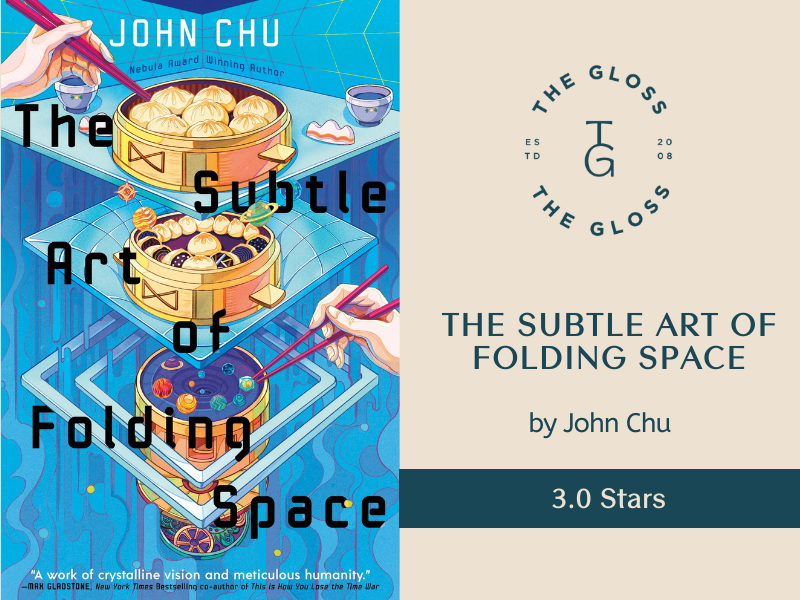
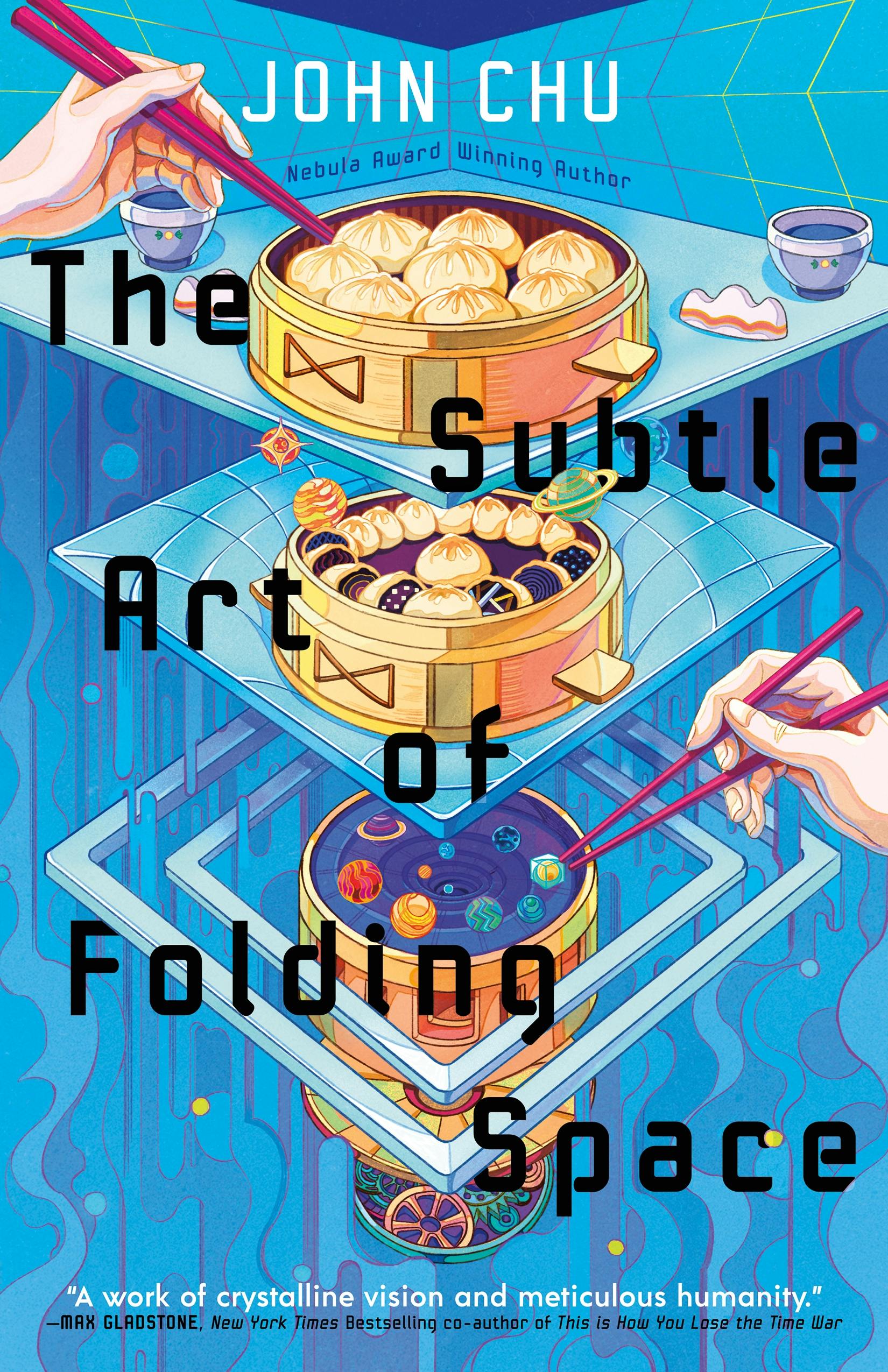
Rating: 3.0/5 Stars
John Chu’s debut novel, The Subtle Art of Folding Space, is an ambitious exploration of multiverse science fiction, family drama, and cultural identity. The premise is undeniably intriguing: Ellie, a young woman caught between building her own life and meeting the expectations of her family- caring for her comatose mother, navigating her sister Chris’s inexplicable resentment and desire to remove her from the planet, and protecting the multiverse, discovers, with the help of her cousin, Daniel, a physics-defying apparatus that is not only keeping her mother alive, but also destabilizing reality.
Chu’s worldbuilding is inventive and layered, weaving together quantum mechanics, generational trauma, and even the comfort of dim sum. His examination of the importance of recognizing and valuing differing skills and perspectives invites deeper thought and the skunkworks concept feels fresh. The novel’s exploration of how family obligations intersect with cosmic stakes is both poignant and original. Chu’s prose often sparkles with wit, and his ability to fold cultural nuance into speculative fiction is commendable. Readers who enjoy science fiction that pushes boundaries will find plenty to admire here.
The narrative pacing can feel uneven, and transitions are sometimes abrupt, with little explanation, making it challenging to keep up and understand the rules. While the family dynamics are compelling, they sometimes overshadow the science fiction elements, leaving the mechanics underdeveloped. Ellie’s relationship with her sister Chris, though central, can feel repetitive, and the constant tension between filial duty and personal identity risks becoming heavy-handed. The book’s emotional core is strong, but the execution occasionally falters, making it harder to stay invested in the stakes of saving both family and universe.
Ultimately, The Subtle Art of Folding Space is a compelling and entertaining read. It shines in moments of emotional resonance and imaginative detail, taking on hefty subjects such as the nearly universal issue of balancing family pressures with personal ones. The writing is filled with dry humor, individual struggles, and characters that are complex and realistic, even if their setting may not be. It requires the reader to think outside the box and contemplate the ripples that come from every action.