
The Man in the Stone Cottage, Stephanie Cowell (Review by Lara Ferguson)
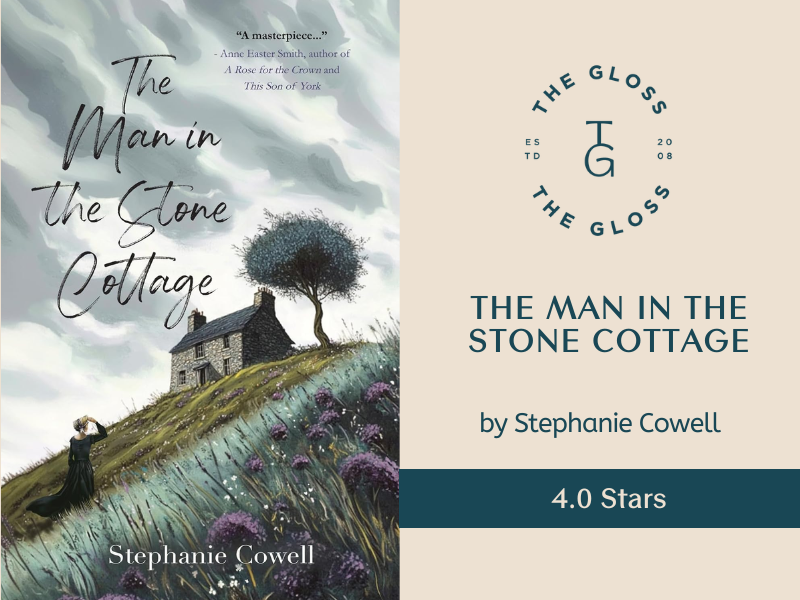

Rating: 4.0/5 Stars
Stephanie Cowell’s The Man in the Stone Cottage is a beautifully imagined and emotionally resonant portrait of the Brontë sisters, set against the stark backdrop of 1846 Yorkshire. With poetic prose and historical sensitivity, Cowell explores the tension between the rigid expectations of Victorian society and the fierce, uncontainable intellects of Charlotte, Emily, and Anne Brontë.
In part, the novel is a meditation on the cost of brilliance in a world that demanded silence and submission from women, but this is not the only focus. Cowell captures not only the claustrophobia of the parsonage, the weight of domestic duty, and the quiet desperation of women whose minds far outpaced the roles they were allowed to play, but also the complicated relationships that reader explores Charlotte’s yearning for literary recognition and Emily’s intense inner life—expressed through her poetry and her imagined relationship with a mysterious shepherd.
Emily’s relationship with the mysterious man in the stone cottage becomes a metaphor for the inner life Victorian women were forced to keep hidden. Her connection to this spectral figure is not just romantic—it’s intellectual, spiritual, and deeply personal. It’s everything she cannot express publicly, and Cowell uses this device to underscore how women’s emotional and creative lives were often dismissed or pathologized.
But what if the shepherd was real? If Emily maintained a real relationship outside the bounds of propriety—unmarried, unchaperoned, and undocumented—it would be a radical act of autonomy. It would mean she carved out a space for herself, however small and secret, where she could live freely, emotionally and intellectually, in defiance of Victorian norms. The man’s reality would force Charlotte—and us—to confront the limits of biography, the gaps in historical record, and the ways women’s lives are often edited down to what’s acceptable or visible.
In this light, Cowell’s novel becomes not just a tribute to the Brontës, but a speculative act of reclamation. It asks: what if the stories we’ve inherited are incomplete? What if genius, especially female genius, has always been accompanied by secrets too dangerous to record?

1 Comment
Lara, thank you so much from the author for this beautifully expressed, insightful review! You found things in the book no one has before.
Stephanie