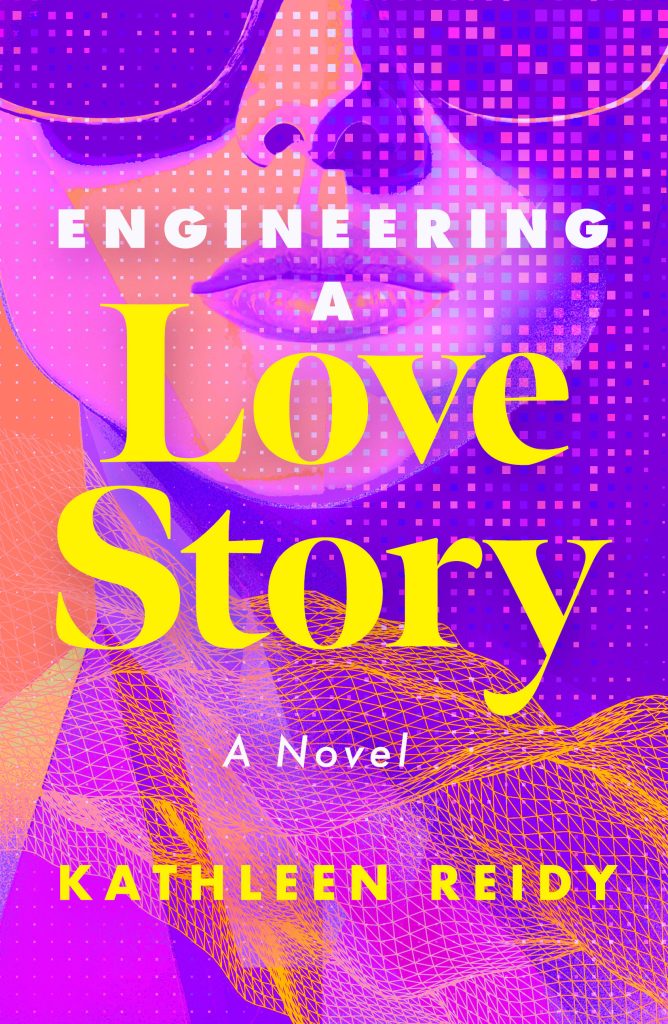
Set against the backdrop of the year 2000—complete with the dot-com bubble, the Bush v. Gore election, and the high-energy “casino atmosphere” of early tech—the story follows 29-year-old Chelsea Lefevre. After “blowing up” her safe, good-on-paper marriage, Chelsea leaves behind the misogyny of her software engineering job for a fast-paced role advising tech executives.
The book truly excels in its balance of romance and personal growth. When Chelsea crosses paths with Seth Murphy, a magnetic startup sales executive, their off-limits chemistry is explosive. Reidy crafts snappy, clever dialogue and high-stakes romantic tension that keep you turning pages. But what makes the narrative stick is that it isn’t just about falling in love. It is a thoughtful exploration of a woman carving out her own space in a heavily male-dominated industry, figuring out her self-worth, and learning how to risk failure.
While the book is an engaging and empowering read, a few specific elements might not appeal to everyone:
Chelsea is an incredibly honest but imperfect protagonist. Her journey begins with a confession of cheating on her steady husband and initiating a sudden divorce. If you prefer your romance leads to be entirely blameless or make safe, traditional choices, Chelsea’s early, reckless decisions might frustrate you.
While the connection between Chelsea and Seth is central and incredibly “swoony,” the book leans heavily into women’s fiction and career dynamics. If you are looking for a story focused 100% on the romantic relationship with minimal industry jargon or corporate plotlines, the heavy emphasis on early-2000s tech strategy and workplace misogyny might slow things down for you.
For anyone who loves a smart, nostalgic, and emotional romance that doesn’t shy away from the complexities of real life, Engineering a Love Story is a stellar debut. It’s a perfect pick for fans of workplace romances who appreciate a heroine willing to entirely dismantle her life to find one actually worth living.