
Lucien, J.R. Thornton (Review by Abigail Blake)

Rating: 3.0/5 Stars
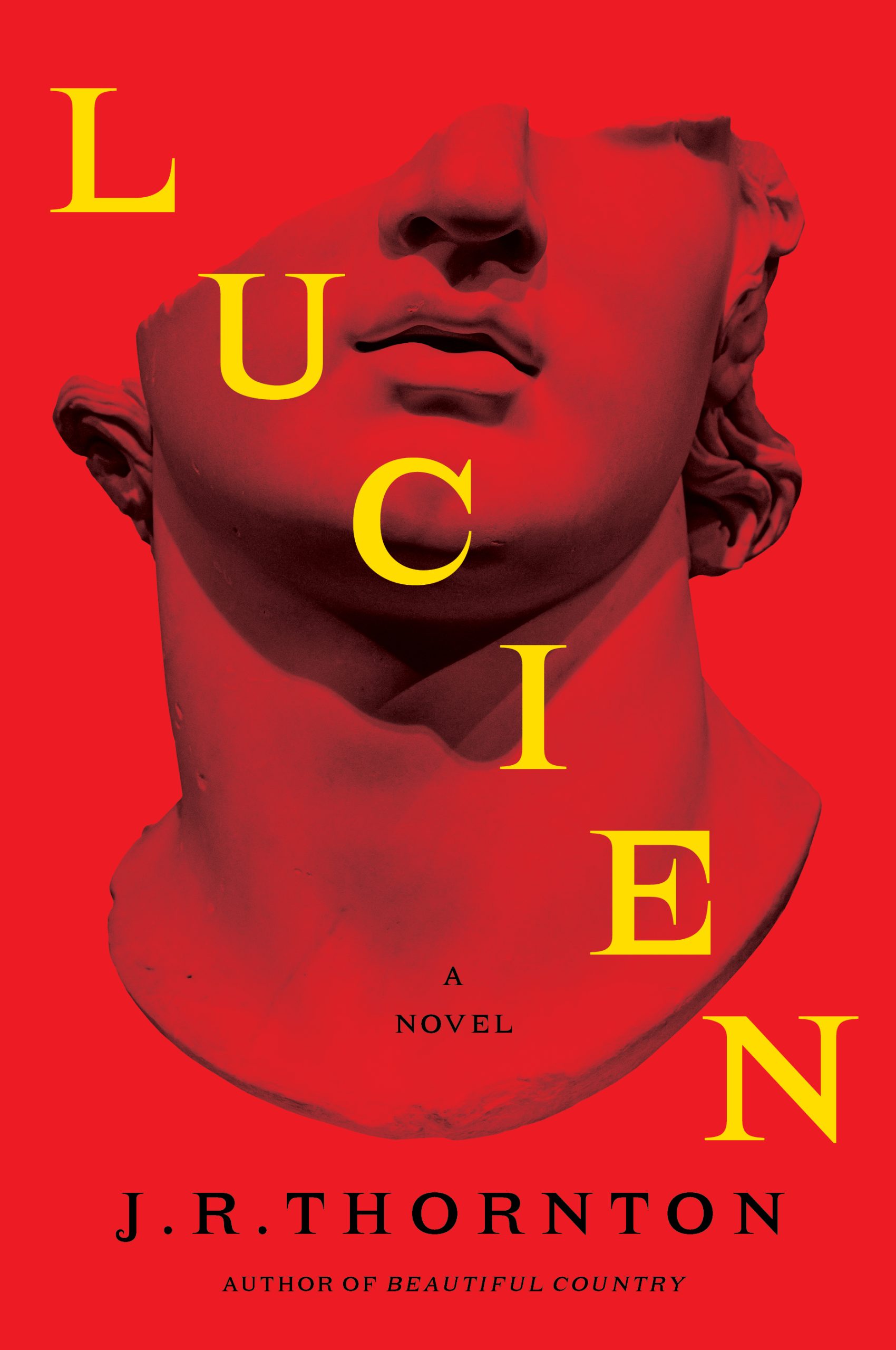
J. R. Thornton’s Lucien follows the story of former child art prodigy Chris (also known as Atlas) through his early years at Harvard University. Shy at first after a childhood mostly spent honing his craft in pursuit of getting into a school like Harvard, Chris easily falls under the sway of his handsome, charismatic, and conniving roommate Lucien.
Lucien is seemingly and has everything Chris does not: he comes from an affluent background, knows all the right people and makes being popular a personality trait. Chris immediately adores Lucien, and gradually succumbs to going along with just about everything his charming roommate wants. What starts as normal collage boy pursuits like girls, parties, and lots of underage drinking soon transforms into extravagant spending to keep up with the rest of Harvard’s elite. Chris, coming from a poorer background and on scholarship, is soon convinced to work with Lucien to produce and sell fake artwork, imitating the professional artists he’s spent his life studying.
As pressure mounts and Chris slowly wakes up to Lucien’s subtle manipulations, their relationship and business venture unravels with devastating consequences.
Lucien is both a coming of age story and a commentary on elitism at the Ivy League level. It grapples with the experiences of a talented freshman finding their foothold in a sea of equally-talented peers. The story also captures the perspective of a college freshman adequately. Aside from his personal art, Chris spends more time nursing and commenting on his non-scholarly pursuits. Like many young men at his age, what he finds relevant is often shortsighted and simply compartmentalized.
Overall, Lucien is an entertaining read—very much an oncoming car crash you can’t look away from. More time could be spent hashing out certain events, characters, and plot points, but the troubling conclusion really drives home the ultimate tragedy of Chris’s (and Lucien’s) story.