
The Witch and the Huntress, Luna McNamara (Review by Abigail Blake)
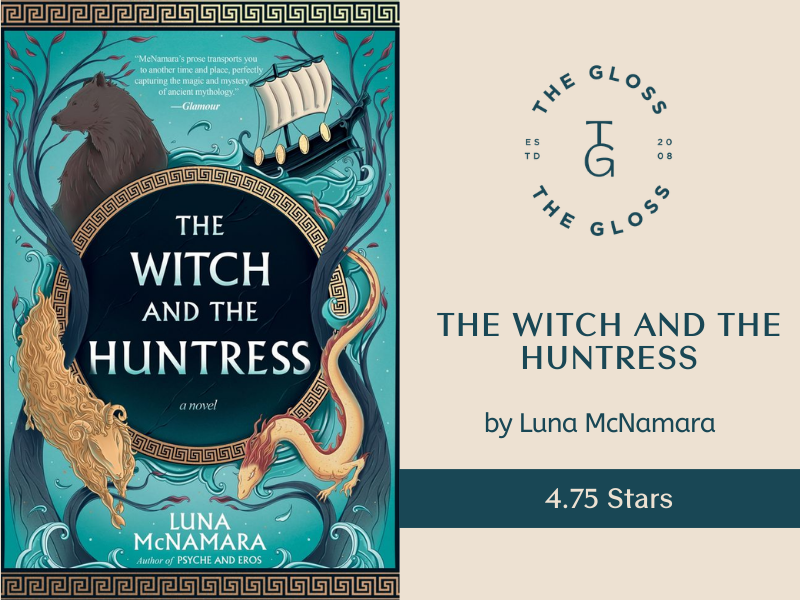

Rating: 4.75/5 Stars
A bold new look at the myth of Medea, Jason (and the Argo) and a less popularized figure, Atalanta, Luna McNamara’s The Witch and the Huntress explores how worthwhile it is to love even if it is lost. With expert tenderness and depth of character, both Medea and Atalanta truly come alive in their individual character arcs and intersections with each other. Jason, relegated to a third-person perspective, is intentionally disappointing as a hero and husband. He is not exactly weak or ineffective, but he pales dramatically as an overall person in comparison to our two female protagonists. It is delightful to watch Atalanta and Medea grow and change for the better as people in spite of everything life throws at them; in stark contrast to Jason, who ultimately reaps what he sows.
Medea faces the consequences of her brutal, if justified, choices in real time. Her reputation for slaying royalty and kin does not go unsubstantiated. Jason’s final disloyalty makes sense while still culminating in heartbreak and destruction for all involved.
Atalanta is not often mentioned in association with the Argo in most retellings. Her presence in the story and will-they/won’t-they relationship with Medea is tender, devastating, and beautiful all at once. Atalanta loves with her whole heart despite the consequences, and she is the most enticing narrator of all three characters throughout the novel. Her forthrightness and removal from most constructs and rules of society make her an excellent partner for the many complex sides of Medea.
McNamara’s retelling is truly one for the ages and rejuvenates these infamous character from Greek mythology. Its representation of lgbtq+ characters, aside from and including Atalanta and Medea, never feels out of place and challenges the roles typically prescribed to one gender. While devastating in many circumstances, love in its many forms is the main through-line of the story. Is makes for an adventure novel and decades-long yearning romance all in one.